
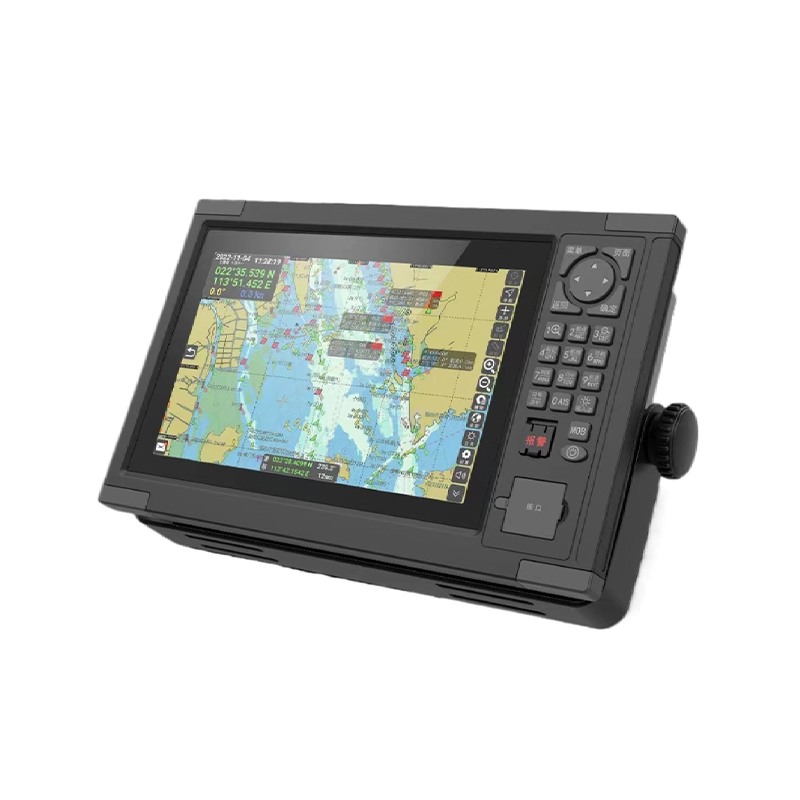
In the vast blue ocean, ship navigation always faces core challenges such as direction finding, position confirmation, and route planning.
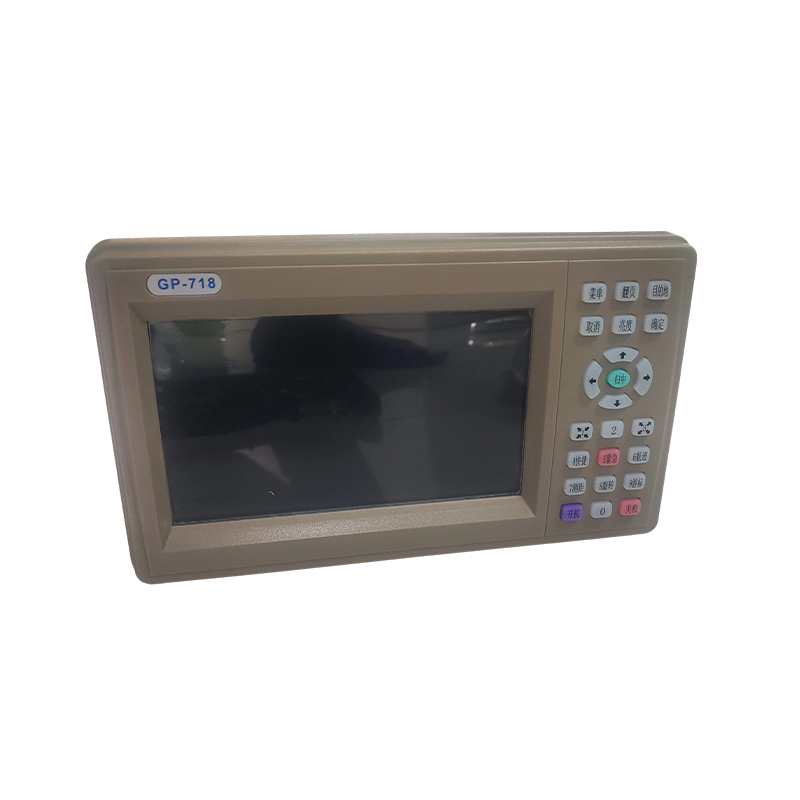
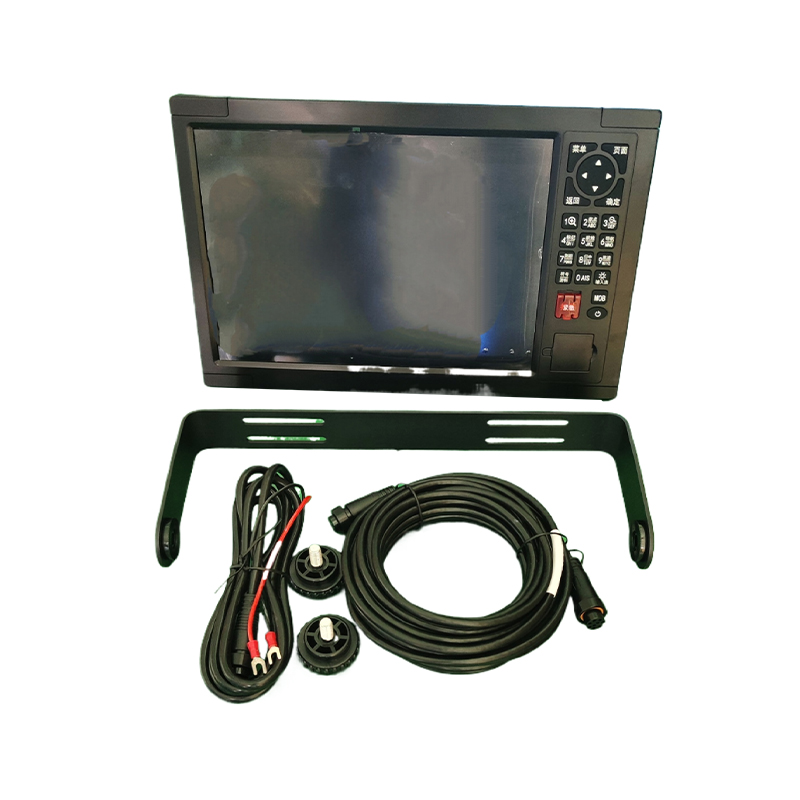
As the core basis for crew decision-making, the display interface of a marine satellite navigation system must be clearly readable and accurate under any lighting conditions.
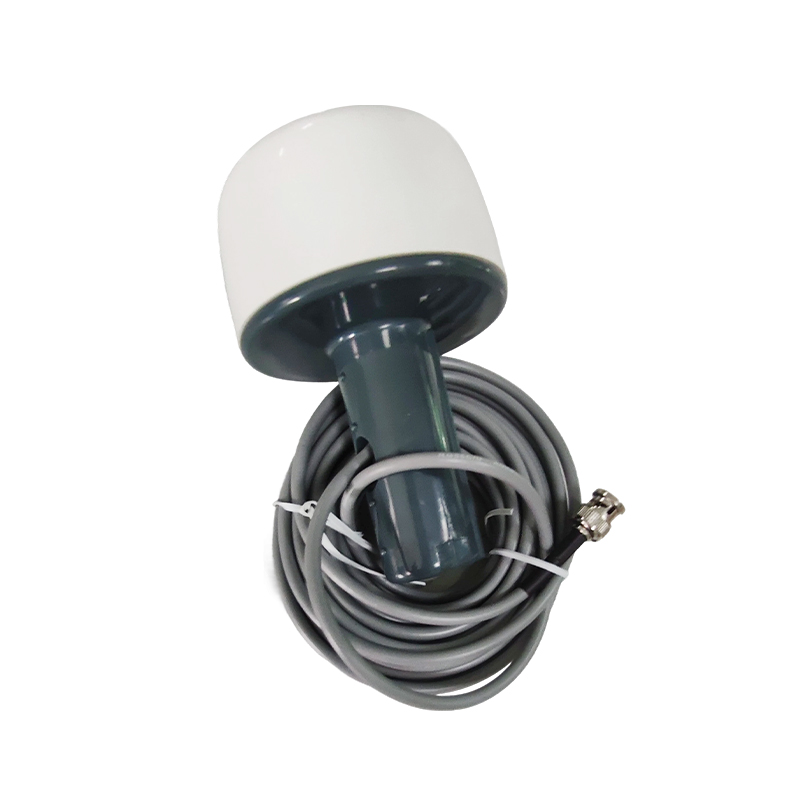
High-gain antennas significantly improve signal reception strength by optimizing the radiation pattern and concentrating signal energy in the target direction.
The redundant design of multi-system integration further enhances the reliability of the marine satellite navigation system.
On the vast ocean, marine navigation radar is the "eyes and ears" of ships, especially in adverse weather conditions with limited visibility, where its role is irreplaceable.
In modern navigation, fisheries, maritime rescue, and even recreational yachting, the communication system terminal has long transcended the limitations of the traditional "compass + paper chart," becoming the "digital brain" for safe navigation.