
On the vast ocean, marine navigation radar is the "eyes and ears" of ships, especially in adverse weather conditions with limited visibility, where its role is irreplaceable.
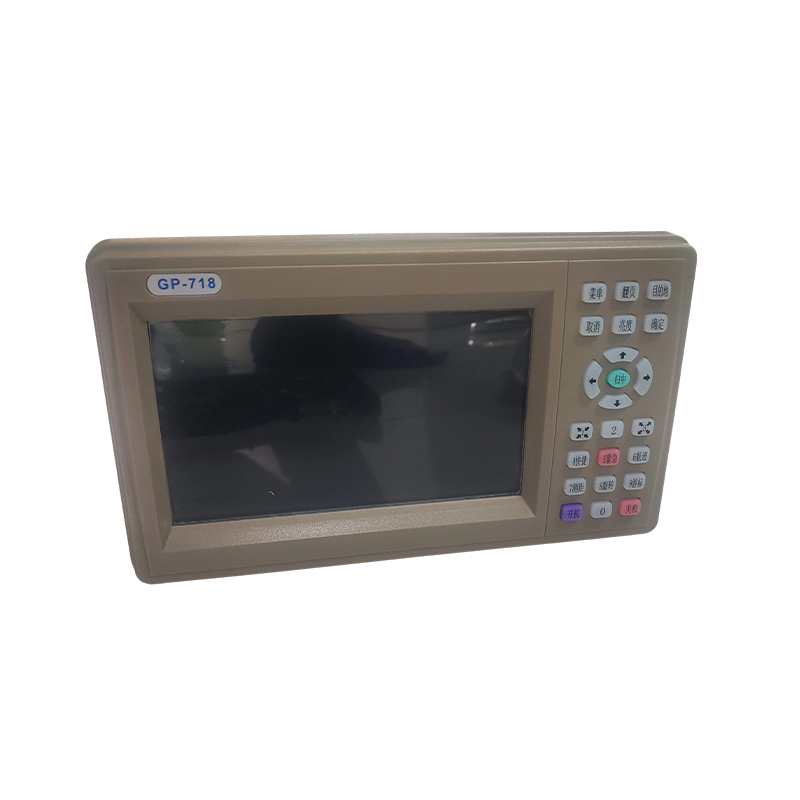
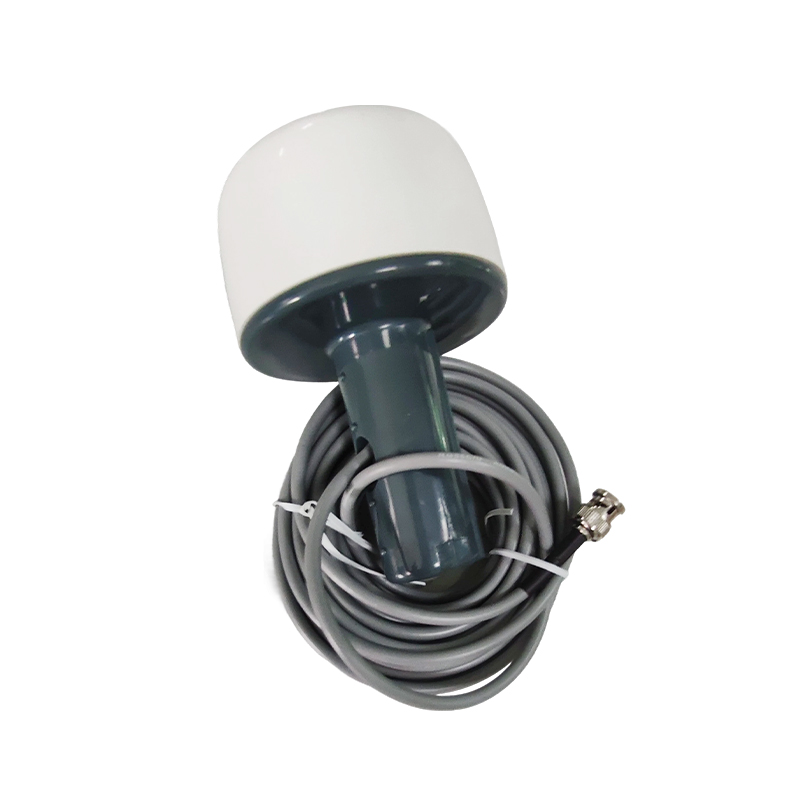
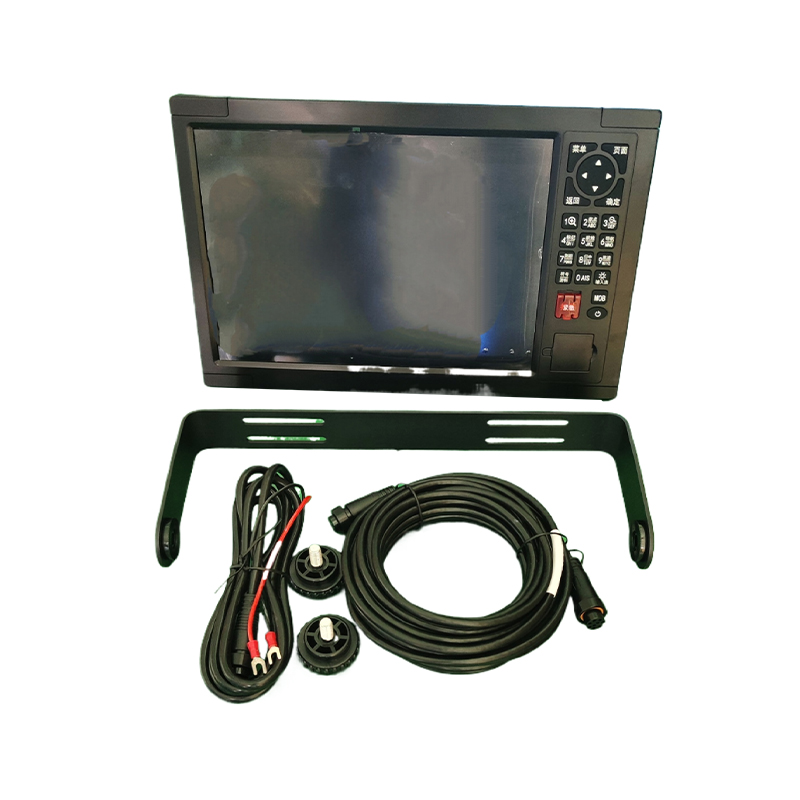
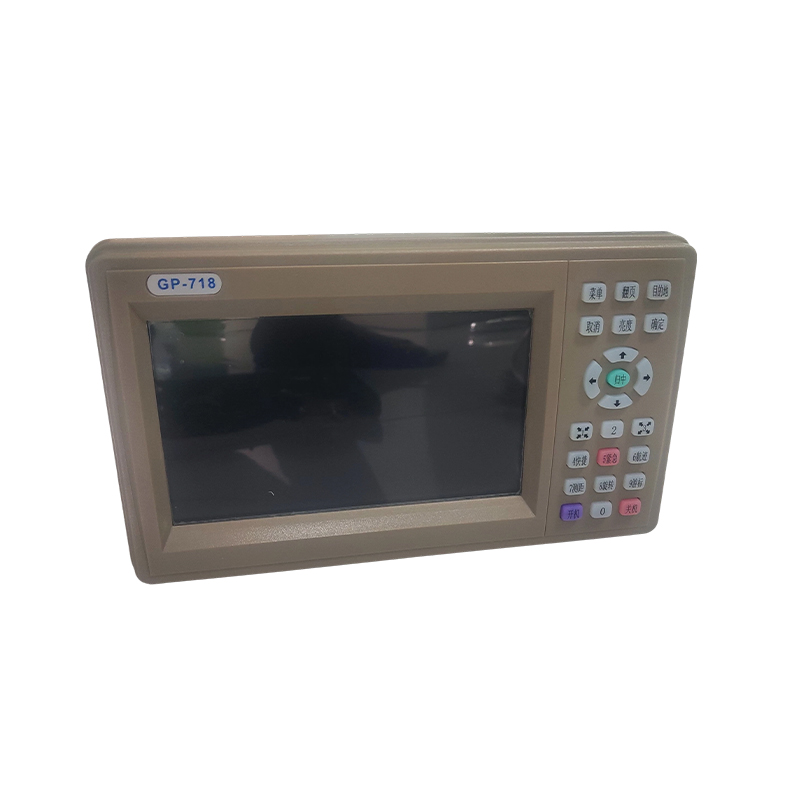
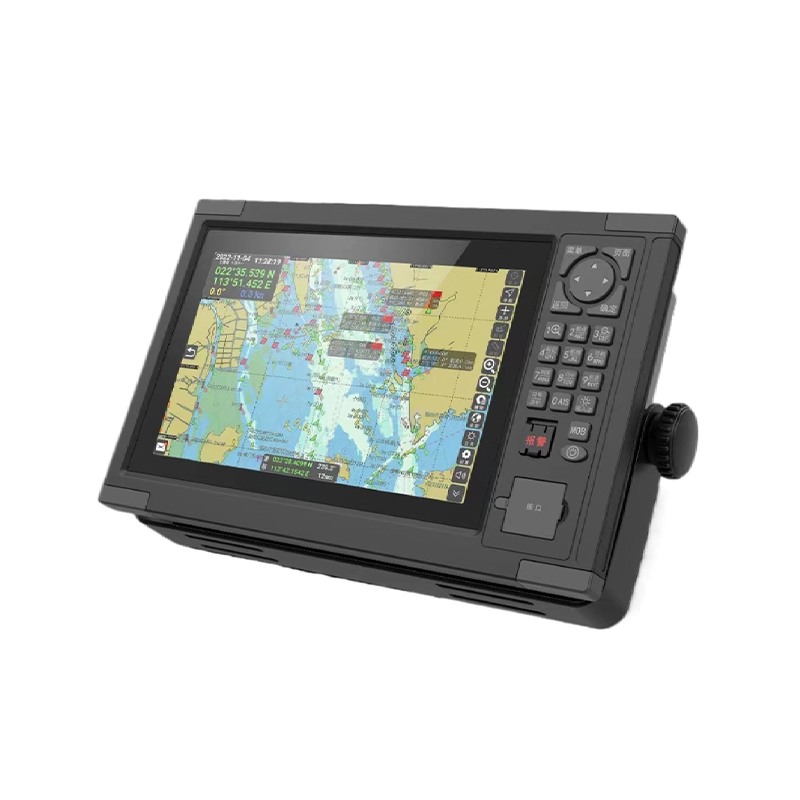
In modern navigation, fisheries, maritime rescue, and even recreational yachting, the communication system terminal has long transcended the limitations of the traditional "compass + paper chart," becoming the "digital brain" for safe navigation.
Parallel processing of multi-frequency signals is the core approach to improving the performance of the satellite navigation system terminal.
Targets of different materials, shapes, and sizes have different abilities to reflect electromagnetic waves.
The PRF optimization of marine navigation radar is a multi-objective balancing process that requires comprehensive consideration of detection range, resolution, anti-interference capability and system stability.
The low temperature adaptability design of the power module directly affects the startup reliability of the marine navigation radar.